

Company Information
Electric Ireland Superhomes is a One Stop Shop which looks after all the key stages of a home energy retrofit, from retrofit design through to project completion and management of SEAI grant funding.
The company was established in 2021, as a joint venture between Tipperary Energy Agency and ESB, with the aim of dramatically upscaling the Superhomes home retrofit One Stop Shop model that Tipperary Energy Agency has pioneered since 2015.
Introduction
The following methodology outlines the approach used to analyse and report on the gender pay gap within our organisation, which operates in the engineering retrofit services sector. This industry, like many STEM related industries is traditionally characterised by a higher proportion of males compared to females, a factor that is considered throughout the reporting and analysis process.
Timeline
Data Collection: 1st July 2025
Completion of report: 30th of November 2025
Publication of report: 1st December 2025
Data Collection
- Scope: The report encompasses all full-time and part-time employees as of the reporting date, across all departments and roles within the company.
- Demographic Information: Gender data was collected as self-reported by employees, with categories including male, female, and non-binary/other (where applicable). For the purposes of this analysis, the focus is on male and female categories, as the available data is predominantly represented in these two groups.
- Compensation Data: Pay data includes base salary, and any other regular remuneration. All figures are calculated on an annualised basis for comparability.
Workforce Composition
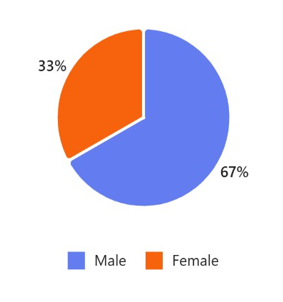
Our gender pay gap reflects the current distribution of roles within the organisation, with more men in technical and leadership positions. As at data collection date our overall gender composition was 67% male, 33% female. While this mirrors broader trends in engineering, the company is focused on creating pathways for greater female representation at all levels through targeted development, inclusive recruitment, and progression initiatives.
Employment Profile
On 1st July 2025 there were 60 employees in Electric Ireland Superhomes.
The metrics in this report are calculated by reference to the employee breakdown and reflect the number of employees on the snapshot date who identify as male or as female.
• Employees on sick and family related leave and other discretionary leaves of absence are included in the report.
• Employees on unpaid leave, such as work-life balance breaks, who have received no pay during the reporting period are included in the headcount but not included in the report.
All Employees
Pay Gap Calculation
The gender pay gap is calculated in accordance with the Gender Pay Gap Information Act 2021. The difference between male and female remuneration is expressed as a percentage of male remuneration using the following formula:
(A – B) ÷ A × 100
Where:
- A = Remuneration of relevant male employees
- B = Remuneration of relevant female employees
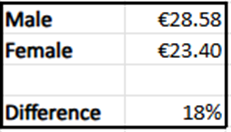
Mean Hourly Gender Pay Gap
| Male | Female | Diference | |
| Mean Hourly Rate | €28.58 | €23.40 | 18% |
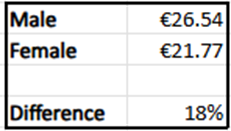
Median Hourly Gender Pay Gap
| Male | Female | Difference | |
| Median Hourly Rate | €26.54 | €21.77 | 18% |
Bonus Pay
| Gender | Average Bonus (€) | Median Bonus (€) |
| Male | €1,846.16 | €1,734.78 |
| Female | €1,424.70 | €1,521.95 |
Gender Pay Gap Profile
The figures below show Electric Ireland Superhomes mean and median gender pay gap, calculated according to gender pay legislation and as of a Snapshot July 2024 to June 2025.
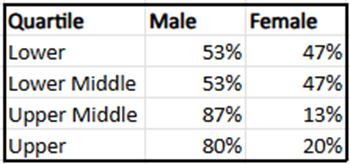
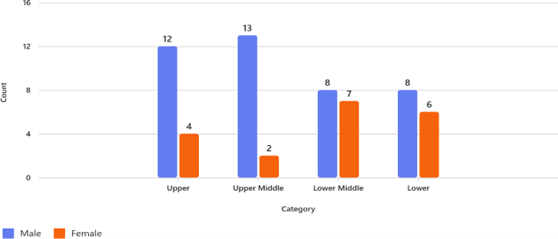
Gender per Quartile
Mean Hourly Remuneration
Median Hourly Remuneration
- Mean and Median Gaps: Both mean (average) and median (midpoint) pay gaps are calculated between male and female employees.
- Role Segmentation: To account for potential differences in job roles or seniority that may influence pay, pay gap figures are also segmented by role category.
- Each quartile represents one quarter of the relevant employee population when every employee in the organisation is listed from the highest hourly paid employees to the lowest paid employee.
Bonus Gap
Both male and female employees in all categories are eligible to receive performance-related bonuses, reflecting a culture of rewarding contribution across the organisation. The median bonus for females (€1,521.95) and males (€1,734.78) demonstrates that bonuses are broadly distributed among staff.
A wide range of bonus amounts exists for both genders, indicating flexibility to recognise different roles and achievements. The organisation demonstrates consistency in offering bonuses to full-time and part-time employees, as well as those on temporary leave.
Reporting and Interpretation
The report clearly states that the predominance of males in the workforce is a characteristic of the engineering/STEM industry, not unique to this organisation. All findings are contextualised accordingly, and any recommendations aim to address both pay equity and broader diversity objectives.
Confidentiality and Data Integrity
All employee data is handled in accordance with applicable data protection regulations, with aggregate reporting to ensure individual confidence and compliance with GDPR.
Summary / Key Findings
Electric Ireland Superhomes reports gender pay gap figures in line with statutory requirements. We pay men and women equally for the same work. Our 18% gender pay gap reflects the distribution of roles within the organisation, not pay inequality. Equal pay for equal work is a core principle, and we are committed to reducing this gap through targeted recruitment, career development, and diversity initiatives within our control.
The gender pay gap arises because of workforce composition, with a higher proportion of males in technical and leadership positions. While the wider engineering sector shows a male-to-female ratio of approximately 75:25 (Source: Higher Education Authority – Focus on Gender, 2024), the company is committed to improving representation through initiatives that support career progression, leadership development, and inclusive recruitment practices.
Summary Results:
Actions to reduce the Gender Pay Gap
Promote Inclusive Recruitment and Advancement
Review recruitment data to understand patterns in applications and appointments for specific roles.
Use clear, gender-neutral language in job advertisements and communications to attract a diverse audience.
Maintain our strong relationships with third-level institutions and continue supporting initiatives that encourage female participation in STEM fields.
Encourage Internal Mobility and Career Development
Provide transparent pathways for progression and leadership opportunities within the organisation.
Support internal mobility where possible, ensuring employees are aware of advancement options.
Wellbeing and Retention
Continue to offer flexible work arrangements, including hybrid options, and family-friendly policies to support work-life balance.
These initiatives help retain talent and reduce career interruptions.
Support Professional Development
Facilitate access to training, skills development, and educational opportunities within existing resources.
Encourage participation in industry conferences, networking events, and technical workshops where feasible.
Build on existing coaching and mentoring initiatives to support female employees across different pay quartiles.
Future Direction
- Increase female representation in technical roles by up to 5% over the next three years, leveraging strategies such as targeted job advertising, partnerships with STEM networks, and internal mentoring programs.
Conclusion
The gender pay gap in a male-dominated engineering industry is not the result of a single factor, but rather the outcome of intersecting systemic issues. Addressing these root causes is necessary to create lasting change.
This methodology ensures that the gender pay gap analysis is robust, transparent, and accurately reflects the unique workforce composition of our professional services industry. By explicitly noting the prevalence of male employees, the report provides context for interpreting the pay gap data and forms a basis for future diversity and inclusion initiatives.
Our gender pay gap reflects the structural composition of the engineering sector rather than pay inequality. We remain committed to equal pay and are actively working to increase female representation in technical and leadership roles.
At Electric Ireland Superhomes, diversity and inclusion are central to our success. While our gender pay gap reflects industry-wide trends, we are committed to creating pathways for women to thrive in technical and leadership roles. Our goal is to build a balanced workforce that reflects the communities we serve and supports equal opportunities for all employees to thrive.